

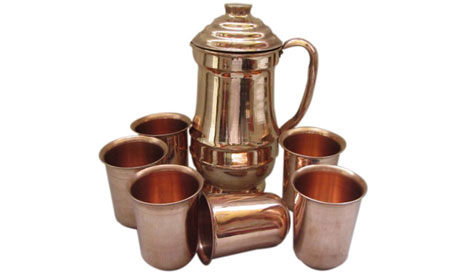
New Delhi: Copper utensils may not be as widely used as they once were, but they are making quite the comeback because of the growing popularity of alternative therapies like Ayurveda, across the world.
For thousands of years, people of India and many other Asian countries have known the benefits of drinking water from Copper Vessels. Ancient Ayurvedic scriptures have stated many health benefits of storing water in copper vessels. Now, the current medical studies are also supporting this ancient Ayurvedic practice.
While Ayurvedic texts advocate the use of copper for water purification, many natural health enthusiasts and publishers claim that copper utensils are healthy, as water from copper cups can fight inflammation, boost brain function, facilitate weight loss, and do lots more.
Copper has many antimicrobial properties. Recently, the U.S. Environmental Protection Agency registered copper as the only solid surface material to kill bacteria that may pose a threat to human health.
What exactly happens when you store water in a copper vessel?
When water is stored in a copper vessel overnight or for over eight hours, a very small amount of copper ions gets dissolved into the water. This process is called Oligodynamic effect which has the ability to destroy a wide range of harmful microbes, molds, fungi etc.
What does Ayurveda say?
Ayurveda states that when you drink water stored in a copper vessel, it has the ability to balance all the three doshas in our body Vata, Pitta and Kapha and also has many health benefits. This happens because copper vessel positively charges the water. The therapeutic water from a copper vessel is called Tamrajal in Sanskrit. The traces of copper in a Tamrajal are safe and in fact, healthy.
After knowing so much good things about copper, let’s know whether drinking water in copper utensils is actually so much beneficial?
Most claims about copper utensils do not stand up to close scrutiny, but copper does possess antibacterial properties making it great for water storage.
There have been a few investigations into the health benefits of copper; no findings till date have supported the exaggerated claims of benefits from copper.
Nevertheless, it should be pointed out that Ayurveda does have an underlying scientific basis and the idea of copper utensils being beneficial isn’t without merit.
One study that was published in the Journal of Health, Population and Nutrition, found that storage of water in copper utensils reduced harmful bacterial contamination because of copper’s antibacterial properties. After 16 hours of storage in the copper vessel, researchers found that there was no longer any trace of bacteria. This makes water storage in copper vessels a viable method of water purification in rural areas.
However, this benefit too has its limitations, as storage of water in copper utensils will not eliminate all other contaminants. It still remains a beneficial practice in rural areas, as it can reduce diarrheal diseases by at least 40%.
Reality Check:
Copper is one of the essential mineral nutrients for human health and many of the health claims about copper utensils seemed to borrow from this. The mineral is important for healthy brain function, blood cell production, and collagen production. But, we can get adequate copper intake through the foods we eat.
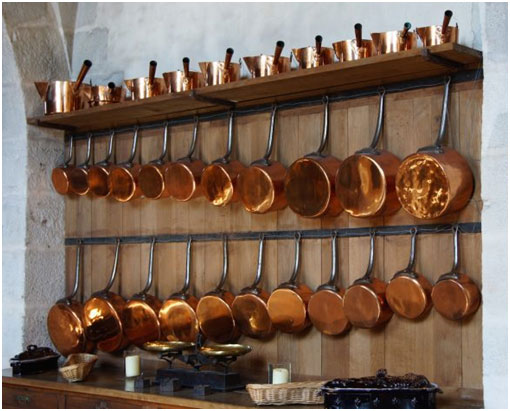
In reality, cooking in a copper vessel can pose certain health risks as copper can leech into some foods, causing copper poisoning. Excessive intake of copper is linked with symptoms like nausea, vomiting, and diarrhea, but prolonged intake of excess copper poses more serious risks like liver and kidney damage. This is why most copper utensils are coated or lined with another metal like tin or nickel to improve safety.
Despite these precautions, coatings suffer wear and tear and copper can still come into contact with food, causing contamination.
Scientific Explaination:
Copper is one among 14 different trace minerals required by the body. Although we require it in relatively tiny amounts, it plays a number of key roles, and like all oxygen-dependent (aerobic) organisms on earth, we can’t live without it. As a constituent of the enzyme cytochrome c oxidase, copper plays a critical role in cellular energy production, catalyzing the reduction of molecular oxygen (O2) to water (H2O), generating an electrical gradient used by all aerobic organisms to generate energy.
Suffice it to say, copper is a very important nutrient. But any preferment for copper is easily overstated, not only because it is one among many vital nutrients, but because it has a number of interactions, including with minerals such as zinc, sulfur, phosphorous, iron, and molybdenum.
From a nutritional perspective, it’s very important that we get all these nutrients in biologically appropriate amounts and ratios. Fortunately it’s not too difficult if we aim to eat naturally-prepared, traditional foods, and take measures to support gut health. It can, however, become an issue with extra-dietary exposure, from environmental contamination, cookware/dishware, medical treatments, or supplementation.
Right Way:
While copper is an essential nutrient and copper vessels can be great for water purification, they are not suited for regular cooking.
Drinking from copper vessel with water in it and left for resting at least for 6 hours (minimum) to 8 hours (maximum) is definitely helpful as it helps to prevent water-borne illness, helps the digestive system to perform well, aids in weight loss, Slows down ageing etc.
But our body needs about 12mg of copper a day. This means that you should drink about two to three glasses of water from this copper vessel to reap its benefits andoverdoing of this is harmful for the well-being.
References:
https://www.indiatimes.com
https://toddcaldecott.com
http://www.wholesomeayurveda.com
https://thehealthorange.com