


New Delhi: Menopause is that stage in woman's life where she doesn't go through a menstrual cycle for around twelve consecutive months. Menopause is a natural reaction to the aging process and marks the official end of a woman's fertile days. There are plenty of physical and emotional changes that come along with the process because of unbalanced hormonal levels in the body. Some of the most popular symptoms among menopausal women include irregular periods, night sweats, mood swings and fatigue.
The menopause and menopausal symptoms will inevitably affect all women at some point in their lives – whether it’s premature menopause, surgically induced menopause or just the classic signs of ageing. In this article lets understand everything about Menopause.
What is the Menopause?
The menopause occurs after your periods cease. When your ovaries stop producing eggs, your oestrogen levels fall. However, the symptoms can present up to five years beforehand, as the oestrogen gradually declines. This is known as peri-menopause.
Among its many functions, oestrogen is thought to aid cognition and memory. It also affects collagen in the skin, maintains bone density and keeps blood vessels clear of the sticky deposits that cause damage and can lead to cardiovascular disease.
It maintains the pH balance in the vagina, reducing the likelihood of infections, prevents the vaginal wall from thinning and keeps the area moist. In short, a decline in oestrogen can wreak mental and physical havoc, with symptoms often worsening over time.
Technically a woman is considered to have reached menopause after her periods have stopped for a year. However, physical changes in a variety of areas can occur for several years before this, a time referred to as perimenopause.
Stages of Menopause:
The process happens slowly over three stages:
Perimenopause. Your cycles will become irregular, but they haven’t stopped. Most women hit this stage around age 47. Even though you might notice symptoms like hot flashes, you can still get pregnant.
Menopause. This is when you’ll have your final menstrual period. You won’t know for sure it’s happened until you’ve gone a year without one. Hot flashes, vaginal dryness, sleep problems, and other symptoms are common in this stage.
Postmenopause. This begins when you hit the year mark from your final period. Once that happens, you’ll be referred to as postmenopausal for the rest of your life.
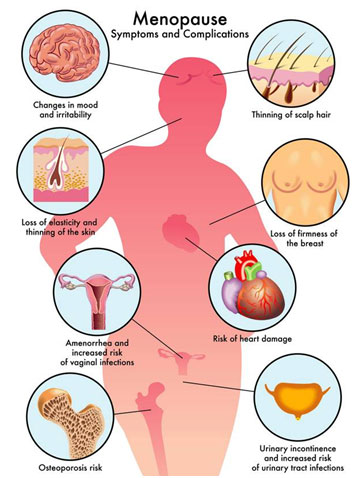
Symptoms of Menopause:
Many women experience hot flashes, night sweats, insomnia, tiredness, mood swings, vaginal dryness, and urinary tract issues. Starting at the age of 35, women naturally have a certain amount of bone loss, but after menopause women begin to lose bone mass more rapidly due to decreased levels of estrogen.
Dr. Ritu Jain, Gynecologist, Gurgaon talks about the signs of menopause which a woman may go through.
“When it comes to menopause, every woman’s experience is unique. Some women have a variety of menopause symptoms, while others may have very few or even none. Generally symptoms are caused by fluctuating levels of two female hormones, estrogen and progesterone, which are made in the ovaries.”
She further added “Signs menopause may be approaching include changing patterns in your menstrual period. Your periods might be longer or shorter, heavier or lighter, and with more or less time between them. Hot flashes and night sweats can also occur, along with sleep problems, mood changes, difficulty with concentration, forgetfulness, urinary issues, joint pain, skin dryness, and bone loss.”
Menopause not only affects a body physically but also impacts the mind deeply. For many women, the rapid hormone fluctuation and the physical changes that are associated with menopause can lead to mood swings, anxiety, irritability, feelings of sadness, difficulties with memory and concentration and even depression.
According to Dr. Shweta Sharma, Psychologist practicing in PalamVihar, Gurgaon, “The most common psychological symptoms are a loss of self-esteem and confidence, anxiety and panic attacks. Lots of people have depressive symptoms but they’re not actually depressed. They’re short-tempered, irrational. The psychological symptoms are the ones that floor people – and they don’t realise they’re related to the menopause.”
Tips to Reduce the Symptoms of Menopause:
Keep Check on Your Diet:
The ultimate key in having a healthy menopausal period is to keep a healthy and balanced diet all the time. If you keep yourself focused on nutrition and in remembering all those food groups, you'd feel better no matter which symptoms come into play. Don't forget to include the daily recommended servings for carbs & grains, protein, dairy products, fats and lots of fruits & greens. Keep your body satisfied and healthy by eating 3 full meals daily with in between snacks to fuel your body all day. Don't be too obsessed with calories but focus on small portion sizes.
Managing Hot Flashes
Menopausal night sweats and hot flashes are some of the most popular symptoms experienced by women who reach this stage. Drenching in sweat for the night disturbs sleep and rest. Hot flashes can make working on your daily tasks uncomfortable and can even give you those sleepless nights. Reduce your habitual intake for colas, spicy foods, tea, coffee and alcohol as these can trigger the event for hot flashes. Refined sugars also increase the occurrence for hot flashes among many menopausal women so try to get away with syrup and other processed foods as well.
Avoid hot flashes by increasing your water intake to at least 8 glasses every day. Include phytoestrogen sources in your diet. These substances bind with estrogen receptors in the body which could help you relieve of those symptoms. Some of the most common phytoestrogen-rich foods include soy, yams, carrots, apples, legumes, potatoes, beans and seaweeds.
Help Control Weight Gain During Menopause
Menopause often equates to weight gain. Fat tends to redistribute itself towards the stomach as estrogen levels in the body drop. A decrease in muscle mass often slows down metabolic processes in the body thus letting you end up with that undesirable weight gain. To help fight those adipose tissues from forming layers into your tissues, try to go for healthier fats such as flax seed oil, olive oil etc. Try steaming, grilling or broiling your foods instead of having them deep fried.
Exercise & Physical Activities
Exercise alone can aid in minimizing stress, hot flashes and other menopausal symptoms. Keeping your body active and fit will also enhance the function of your cardiovascular and skeletal systems. Studies have shown that aerobic exercises alleviate the severity of hot flashes in many menopausal women. Exercise can also reduce insomnia, migraine and keeps your blood cholesterol levels low. Get at least thirty minutes of moderateintensity exercises during the day by swimming, biking, running, walking and biking.
References:
http://www.fitday.com
www.independent.ie
www.everydayhealth.com
http://www.telegraph.co.uk
www.webmd.com