68

Take-home salary to decrease, PF to increase as new Labour Codes to come into effect soon

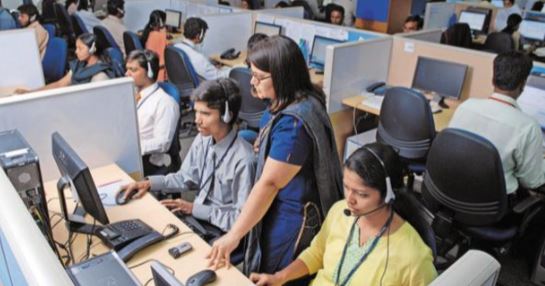
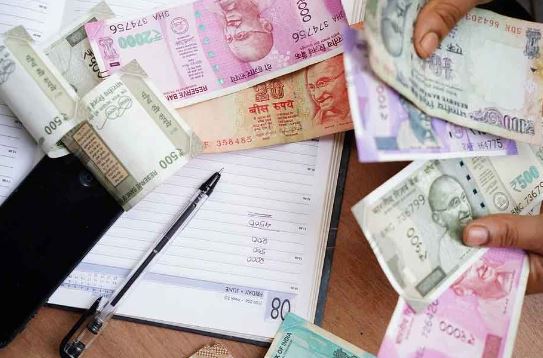
The Centre, working towards labour reforms in the country, is likely to implement all the four labour codes in the next few months. After the implementation of the wages code, there will be a significant change in the way basic salary and provident fund (PF) of employees is calculated.

The implementation of these laws will result in a reduction in the take-home pay of employees. However, the amount of employees' savings i.e. PF will increase.

The implementation of four labour codes, which will rationalise 44 central labour laws on industrial relations, wages, social security and occupational health safety and working conditions, was envisaged by the Union labour ministry to begin from April 1 of this year.

44

Services sector activity likely to shrink for first time in eight months

Activity in the country’s crucial services sector plunged into contraction in May for the first time in eight months as the second wave of Covid-19 pandemic forced localised lockdowns which resulted in a decline in new business and output, a survey showed on Thursday.At 46.4 in May, down from 54 in April, the India Services Business Activity Index was in contraction territory. The latest reading pointed to a solid rate of reduction that was nevertheless slower than those seen in the aftermath of the Covid-19 outbreak.

According to panel members, the fall in output stemmed from the escalation of the pandemic and the reintroduction of restrictions, the survey showed. The survey is compiled from responses to questionnaires sent to a panel of around 400 service sector companies.

23

Banks might sell Vijay Mallya's properties, shares worth Rs 5,646 Cr to recover dues

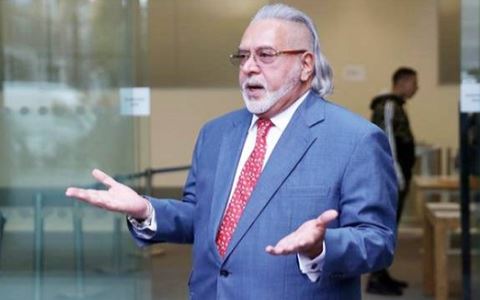
Armed with court order, a consortium of lenders led by SBI can now sell certain real estate properties and securities belonging to fugitive Vijay Mallya to recover loans turned bad with failure of Kingfisher Airlines. A consortium of 11 banks that gave Mallya loans, led by State Bank of India (SBI), had approached a special Prevention of Money Laundering Act (PMLA) court seeking restoration of his properties seized by the Enforcement Directorate.

The special PMLA court in Mumbai on Tuesday allowed the restoration of properties worth Rs 5,646.54 crore to banks. According to an official of lead bank SBI, symbolic possession of properties mentioned in the order would be taken by lenders after following due legal process.

4

PVR reports loss of Rs 289 Crore in Q4 due to Covid-19

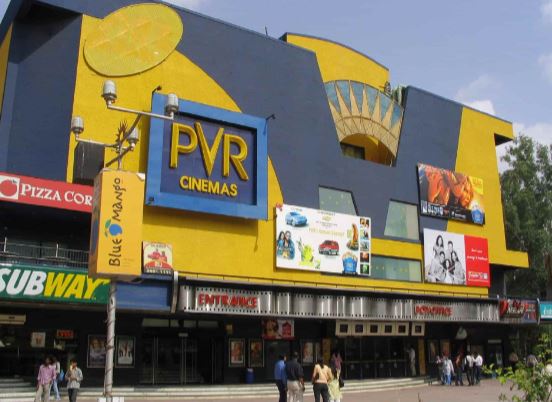
Multiplex operator PVR Ltd on Wednesday reported a consolidated net loss of Rs 289.12 crore in the quarter ended on March 31, 2021, as the company continued to be impacted by the COVID-19 pandemic. The company had posted a net loss of Rs 74.49 crore in the same quarter of the last fiscal.

Total income during the period under review stood at Rs 263.26 crore against Rs 661.78 crore in the corresponding quarter a year ago, PVR said in a regulatory filing. PVR said results for the quarter and year ended March 31, 2021, are not comparable with results for the quarter and year ended March 31, 2020, as the operations were severely impacted due to COVID-19 induced lockdowns, staggered re-openings, social distancing requirements, limited content flow and low consumer confidence.

004

Petrol price in Mumbai now almost double as much as in New York

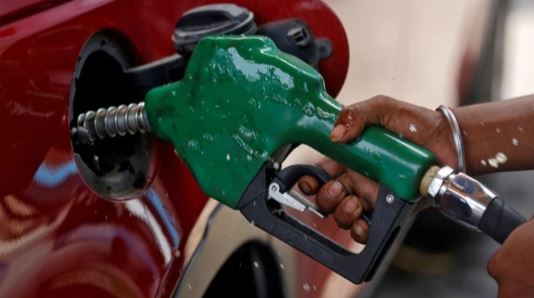
Gasoline prices in India’s financial capital of Mumbai have risen past the 100-rupee-a-liter mark for the first time ever, among the costliest in the country and almost twice the price in New York.

Retail prices in the city are up 11% this year and reached 100.47 rupees ($1.39) a liter Monday, Indian Oil Corp. data show. The equivalent price in the U.S. financial center is $0.79, according to Bloomberg calculations based on figures from the New York State Energy Research and Development Authority.

Indian fuel prices have soared in the past year as Prime Minister Narendra Modi’s administration has repeatedly raised sales taxes to cushion worsening public finances. Levies now make up around 60% of the retail price and federal taxes on gasoline and diesel have surged nearly six-fold since 2013.