
New Delhi: If you snore; you’re not alone, up to half of the population snore. But, if you or your close ones snore regularly, it is time you stop considering it a minor problem and seek medical help.
“Laugh and the world laughs with you, snore and you sleep alone.” This wise quip by an English literary great sums up how difficult snoring can be on those living with a snorer.
Sleeping with a snorer can cause the partner fragmented or lack of sleep; in the case of spouses, it is known to hamper their relationship as well. But for the snorer himself, snoring can be the tip of an iceberg of sleep-related disorders that need medical attention.
Loud, unpleasant and embarrassing snoring happens due to obstructed air movement during breathing.
Like any sound, snoring too is caused by a vibration that causes particles in the air to form sound waves. Just as our vocal cords vibrate to form our voice, turbulent airflow cause the tissues of nose and throat to vibrate which results in snoring.
However, the health hazards are often overlooked. Excessive snoring, for instance, can mean sleep apnoea — a disorder where one suffers extremely low breathing during sleep.
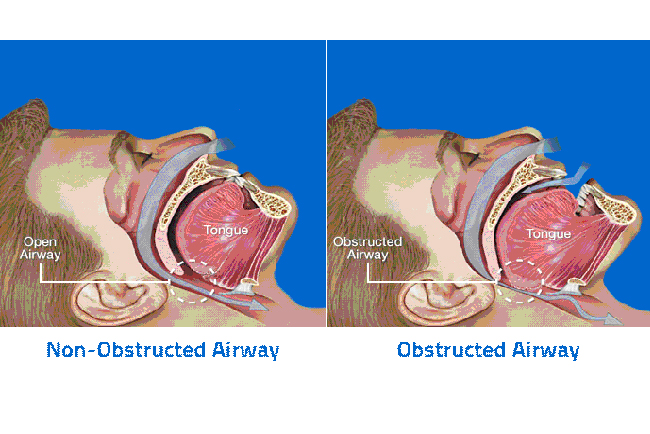 How it happens:
When we sit or breathe at ease, air flow from our nose or mouth to lungs is steady. Under exertion, like while exercising, air quickly glides through the nose or mouth generating audible breathing sounds.
In sleep, the area at the back of the throat narrows at times. The air passing through the breathing apparatus causes tissues surrounding the opening to vibrate, producing snores.
Snoring Woes:
While deep sleep is key to normal body functioning, snoring obstructs you from getting there. Sleep quality is important for secretion of essential hormones such as growth hormone, melatonin and cortisol.
When sleep quality suffers and harms hormone functioning, it leads to several problems such as obesity, early ageing, lethargy and hypertension. A snorer's body struggles to breathe, leading to drop in oxygen supply to the blood which in turn triggers faster heart rate to prevent oxygen deprivation.
In fact, snoring may be a sign of a serious health condition, including:
- obstructive sleep apnea (blocked airways)
- obesity
- an issue with the structure of your mouth, nose, or throat
- Sleep deprivation.
In other cases, snoring may be caused simply by sleeping on your back or drinking alcohol too close to bedtime.
Contrary to popular perception snorers are not always fat with thick necks, and can have any body type. Thin people with slim necks are prone to snoring just as loudly.
On the other hand, there are various types of snoring too, that can indicate what the problem could be; closed mouth snoring points at a tongue problem, open mouth snoring could be due to throat tissues, snoring while sleeping on your back is often mild snoring that is easily curable; while snoring in all postures may indicate that it needs serious treatment.
With age, snoring only worsens. But, Simple lifestyle alterations can greatly reduce snoring.
Snoring remedies:
- Lose weight if you are overweight.
This will help reduce the amount of tissue in the throat that might be causing your snoring. You can lose weight by reducing your overall caloric intake by eating smaller portions and more healthy foods. Make sure you get regular exercise daily. You may also consider seeing your doctor or a nutritionist for help.
- Sleep on your side.
Sleeping on your back sometimes causes the tongue to move to the back of the throat, which partly blocks airflow through your throat. Sleeping on your side may be all you need to do to allow air to flow easily and reduce or stop your snoring.
- Raise up the head of your bed.
Elevating the head of your bed by four inches may help reduce your snoring by keeping your airways open.
- Treat chronic allergies.
Allergies can reduce airflow through your nose, which forces you to breathe through your mouth. This increases the likelihood that you’ll snore. Talk to your doctor about what kind of over-the-counter or prescription allergy medications may improve your condition.
- Correct structural problems in your nose.
Some people are born with or experience an injury that gives them a deviated septum. This is the misalignment of the wall that separates both sides of the nose, which restricts airflow. It may cause mouth breathing during sleep, causing snoring. It may be necessary to get surgery to correct this condition. Talk to your doctor.
- Limit or avoid alcohol before bed.
Try not to consume alcohol for at least two hours leading up to your bedtime. Alcohol can relax the throat muscles, causing snoring.
- Stop smoking.
Smoking is an unhealthy habit that can worsen your snoring. Talk to your doctor about therapies — such as gum or patches — that can help you quit.
- Get enough sleep.
Make sure you get the recommended seven to eight hours of sleep you need each night.
References:
https://timesofindia.indiatimes.com
https://www.healthline.com/
https://www.webmd.com