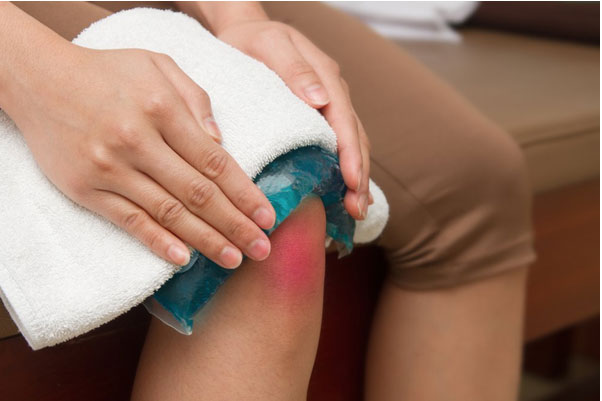
New Delhi: Winter is here; a difficult season for most elderly, especially those suffering from Arthritis. The tenacity of this common yet painful condition tends to increase during cold, winter days.
So, what is Arthritis?
Arthritis is a way of referring to joint pain or joint disease; which means it is an inflammation of the joints and can affect one or multiple joints. The symptoms of arthritis are most commonly seen in adults above the age of 60-65 years; cold weather only adds to the excessive pain, stiffness and swelling in the joints. While there is no permanent cure for the condition, many health experts suggest tweaking their diet in a bid to better manage the condition.
Some research shows that about one-third of all adults experience some type of joint pain every month. Which areas of the body are joint pains most likely to occur? These include any areas involved in repetitive movements or that take the brunt of the body’s weight, such as the low back, neck, knees, hips, shoulders and ankles.
Depending on the severity of your symptoms, you might choose to leave your joint pain mostly untreated, or on the other hand to resort to daily medications to cope with the aching and throbbing. Some people experience sharp pain with each move, making something as simple as carrying groceries a daunting task, while others only experience symptoms every now and then. Whatever the cause of your uncomfortable joint pain, it’s definitely worth giving several natural treatments a shot.
Manage Joint Pain in winters:
Physical activity in winter can reduce winter aches and pains and enhance overall health benefits. Low impact activities like aerobics, swimming in a heated pool, weight training, and riding a stationary bicycle can reduce stiffness, increase the blood flow, and support the knees. Thus, winter arthritis can be well managed by doing exercises.
Diet also plays a vital role. Eating a balanced diet that comprised of low saturated fat, lean proteins, more fiber, and refined carbs helps to improve body functions during the winter. Drinking water throughout the day helps to reduce winter aches and pains. It is essential to consume easily digestible foods like vegetables. Consuming vegetables like carrots and cucumbers that have diuretic properties can help to eliminate waste products from the body.
Vitamin D deficiency may worsen osteoarthritis. It is necessary to take a supplement vitamin D or ensure to make your diet is vitamin-D rich. Fish oil is a potent source of omega 3 fatty acids. Increase your intake of milk, a rich source of protein and calcium that help to strengthen the bones. Also byexposing the body to sunlighthelp to the body obtain vitamin D.
Non-steroidal anti-inflammatory drugs such as aspirin and ibuprofen can be used to reduce inflammation and pain. Injecting a viscous substance can decrease the friction of the bones and ease the condition.
Home Remedies for Joint Pain in winters:
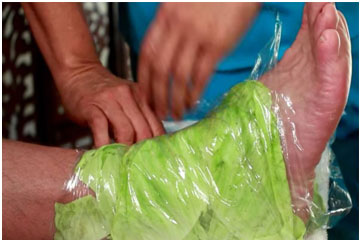
1. Cabbage & Aloe Vera:Wrap the inflamed joints with blanched cabbage leaves. This can cool down inflamed joints. Aloe vera also helps to reduce inflammation.
2. Comfrey:Comfrey (symphytumofficinale) can act as an anti-inflammatory agent. Create a compress using mashed root or comfrey tea soaked bandages can also be used to reduce inflammation.
3. Ice Pack:Applying an ice-pack can help to reduce swelling and alleviate winter aches and pains. While applying ice-pack, ensure to cover the entire knee. Applying a bag of frozen peas to the area also works well.
4. Steam Therapy: Steam therapy also helps to reduce pain in your knees. Soak your knee in a steaming hot water for 15 minutes. Applying hot water bag also can relieve joint pain in winter effectively.
5. Massage Therapy: Winter aches and pains all over the body can be relieved by administrating massage therapy by a professional.
Avoid applying strain or pressure on your joints. Take adequate amount of rest to reduce pain and swelling.
6. Ajwain:Ajwain acts as a natural aid to arthritis pain due to the presence of anti-inflammatory components. It also contains anesthetic properties that further help in relieving excessive pain during winter. All you need to do is to add a spoonful of carom seeds or ajwain in a tub of hot water and soak your aching joints in the water and sit for 5-10 minutes; this will help ease swelling and pain. Another way is to crush these seeds and make a paste and apply it on the affected areas in order to alleviate the pain. Alternatively, you can drink ajwain water every day.
7.Dashmool: Dashmool is not one ayurvedic herb but a mix of ten medicinal herbs that are used to cure a variety of ailments. Dashmool literally translates to 'ten roots'; out of which five roots are of trees and five are of shrubs. These include patala, gambhari, brihati, shalparni and more. Dashmool or Dashmula is effective in inflammatory conditions in the body or VataRog. Its anti-inflammatory, anti-oxidant, analgesic and sedative properties help cure joint pain. It is available in the form of oil and powder.
8.Eucalyptus:Eucalyptus oil makes for the most common herbal treatment for arthritis. The eucalyptus plant leaves contain tannins that may be helpful in reducing swelling and the pain arthritis causes. The aroma of eucalyptus oil is said to have calmative effects on the brain, while the oil relieves you from the pain and swelling in the joints.
9.Ginger: Yet another reason to store ginger in your kitchen cabinet. Ginger is known for its exceptional antiseptic properties that help reduce joint pain and swelling. It is also known to increase blood circulation, which brings heat and healing properties to the affected areas. You can drink ginger tea or apply ginger paste on your joints and can also apply a good quality essential oil.
References:
https://food.ndtv.com
http://www.home-remedies-for-you.com
https://draxe.com
https://www.everydayhealth.com