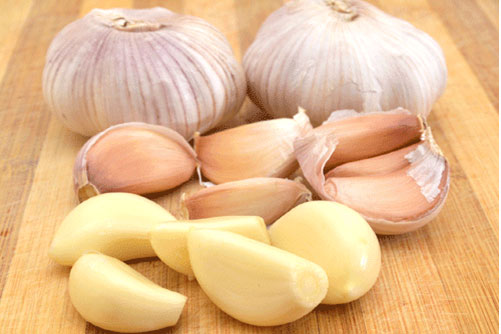
New Delhi: Garlic is not just an essential kitchen item, it has a history of been used for culinary and several medicinal purposes across various cultures worldwide. It is loaded with essential nutrients like vitamins B6 and C, dietary minerals and manganese.
Garlic – A Brief
Garlic is a strong-smelling pungent-tasting bulb, used as a flavoring agent in cooking and herbal medicine; that’s the definition given by Google.
Onions and chives are its close relatives. And so is the kitchen in every household. One of the most common ingredients in Indian cooking, garlic is being consumed for thousands of years.
And not just that – it also has been used for flavoring in traditional medicine. It is scientifically called Allium sativum, and can usually be grown year-round in mild climates. The plants are usually grown together with the bulbs having enough space to mature. There are numerous varieties of garlic, the most popular of them being the hardneck garlic and the softneck garlic.
The plant is not usually affected by any pests or disease. It, in fact, helps prevent a lot many diseases.
It is a natural source of many phytonutrients that may help improve heart health, reduce risk of cancer and fight off infection.
So, there’s no doubt that garlic’s are loaded with a wide range of health benefits. But like said, there are two sides to a coin.
In spite of all these health benefits, there are many surprising side effects of garlic which one must take into consideration before over indulging in it.
Some of the most common side effects of garlic’s are:
1. Might Cause Liver Damage:
There is no need to ponder over the importance of the liver. Being one of the most vital organs in the human body, it could be hurt by excessive garlic consumption.
Though rich in antioxidants, as per an Indian study, garlic can cause liver toxicity if consumed in excess. Similar findings have been recorded in a report published by the University of Penn State – garlic, though virtually non-toxic, can cause liver damage if taken in excess.
2. Nausea, Vomiting, And Heartburn:
According to a report published by the National Cancer Institute, consuming fresh garlic bulbs, or the extracts or the oil on an empty stomach might cause nausea, vomiting, and heartburn. Certain observational studies have also shown that intaking garlic orally can cause heartburn and nausea. As per a report published by the Harvard Medical School, garlic is one of those foods that can cause GERD (gastroesophageal reflux disease).
3. Might Aggravate Bleeding:
This effect of garlic has been stated in a report published by the University of Maryland Medical Centre – garlic can increase the risk of bleeding and that is why it must not be taken along with blood-thinning medications especially, if you are on blood-thinning medications like warfarin, clopidogrel, and aspirin.
This is true especially in the case of fresh garlic. It is also important to note that it is better to stop garlic consumption at least two weeks before a scheduled surgery – as it can prolong bleeding and interfere with blood pressure levels.
4. Diarrhea:
Consuming garlic on an empty stomach can also cause diarrhea. Another report states garlic to be a gas-forming food and hence might trigger diarrhea.
5. Might Cause Eczema Or Rash:
Though replete with benefits, prolonged contact with garlic might cause skin irritation. One study stated that the enzyme in garlic, called alliin lyase, could be the cause of the irritation. Eczema could also be one of the conditions that accompany this allergy.
According to a report published by Medline Plus, certain hand rashes could be the result of coming in contact with the same things (including garlic) regularly.
6. Might Cause Vision Changes:
This could be something you would never have heard of. It has been found that excessive ingestion of garlic can lead to a condition called hyphema, which refers to bleeding inside the eye chamber – the space between the iris and the cornea. Intaking large doses of garlic, an anticoagulant, has been found to cause or worse hyphema. Hyphema can cause permanent vision loss.
In addition to all those effects, garlic overdose might also cause muscle aches and loss of appetite. And garlic overdose could also cause kidney hematomas (swelling of clotted blood within the tissues of kidneys), chemical burns in the mouth and life-threatening allergic reactions.
Garlic might also cause a condition called pemphigus, an autoimmune disease. Garlic contains a compound called thiols, which has been found to aggravate the condition.
Apart from all of this, there is a list of symptoms if you are prone to the side effects of garlic, and that is:
• redness, swelling, or blistering (when applied to the skin); or
• easy bruising or bleeding (nosebleeds, bleeding gums).
• unpleasant breath or body odor;
• heartburn, burning in your mouth or throat;
• nausea, vomiting, gas or
• diarrhea.
Although, this is not a complete list of side effects and others may occur. Call your doctor for medical advice about side effects. Always consult your doctor or healthcare specialist for medical advice.
References:
https://www.weetnow.com
https://www.drugs.com
http://www.stylecraze.com
https://www.livestrong.com