
New Delhi: Superfoods have been taking the world by storm–setting global food trends and featuring on social media feeds of Instagram-friendly hipsters. While new fads are added every year, for those of us in India, all we have to do is look at our backyards and listen to our grandmothers.
Superfoods have amazing qualities with it which can help your body to stay fit and healthy. There are endless international food items in this categories which are very expensive for everyday use. But these items can be easily replaced to few Indian foods giving same or more benefits.
Here are local alternatives to international food stars like chia, quinoa and kale that cost half the price and are twice as nice.
Buckwheat v/s Oats:
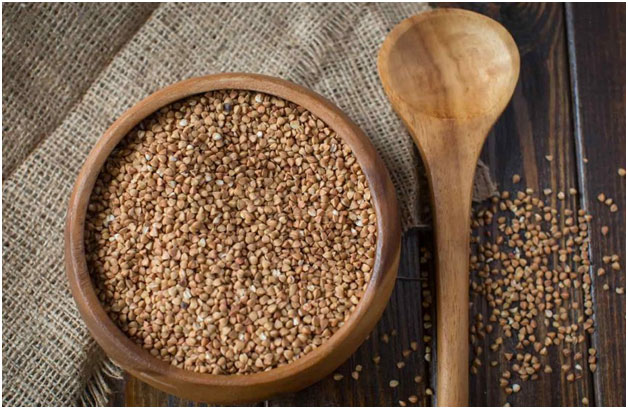
A common fasting food in Gujarat, buckwheat aka kuttu is richer in magnesium and potassium as compared to oats. A good source of complete protein, buckwheat contains all eight amino acids and helps improve gut health and blood circulation in your system.
Local regional oils v/s Olive oil :
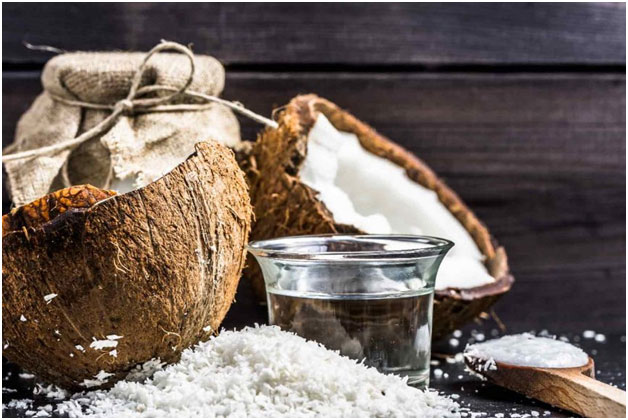
The Mediterranean oil enjoys a prime spot in most urban kitchens across India, but regional oils, derived from produce grown off the Indian soil is proving to be just as beneficial, if not more. Coconut oil, for instance, has antimicrobial properties which keeps infections away, while virgin coconut oil converts bad cholesterol into good cholesterol. Mustard oil is rich in minerals while peanut oil has plenty of vitamin E and is free from cholesterol and trans fats.
Ashwahgandha v/s Chinese Ginseng:
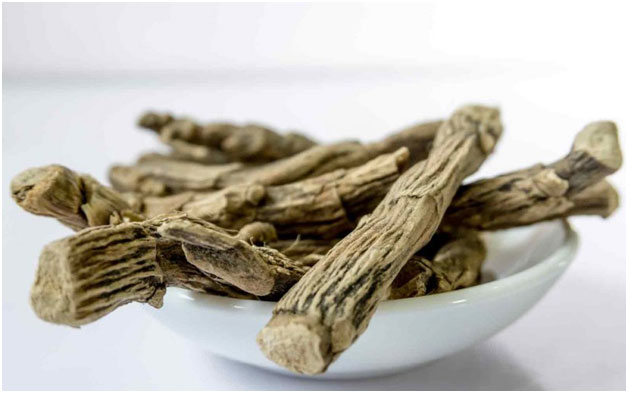
Chinese Ginseng has been touted for its ability to heal sexual dysfunction and is a popular ingredient world over. Its Indian equivalent, Ashwagandha, is found commonly in Rasayana–an Aryuvedic concoction which helps strengthen and heal the body. Ashwagandha is cheaper—it costs 1/3rd of Ginseng—and safer to consume for a long period of time.
Beet Greens v/s Kale:
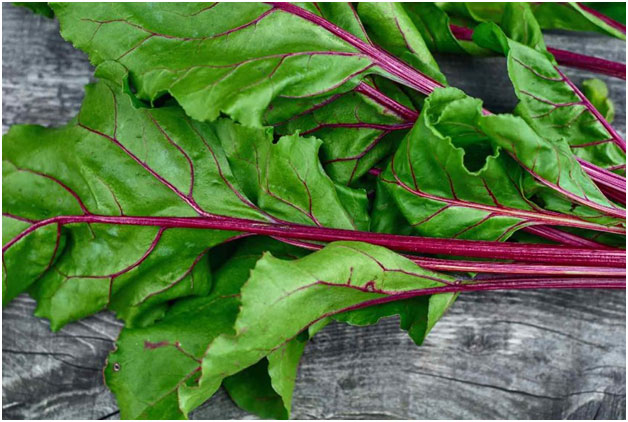
Since the arrival of Kale in urban India, it has been marketed as the nutritional powerhouse of all greens. While it’s true that the Vitamin A & Vitamin K is considerably higher than most greens, it is not the healthiest. Beetroot greens that we normally throw away, is actually a high nutrition food that is waiting to be explored. Low in calories but high in Vitamin E, they’re a great source for potassium.
Indian Basil seeds v/s South Mexican Chia seeds:
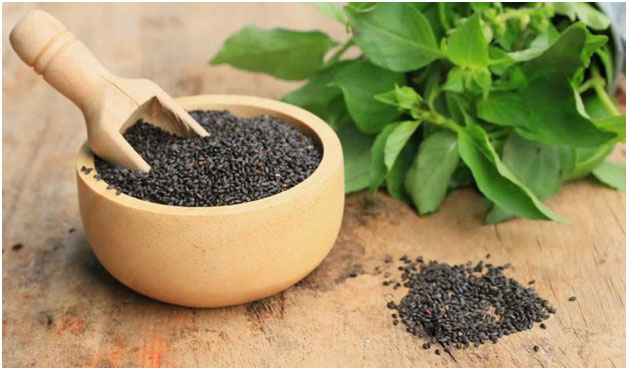
There’s an actual reason why falooda is a summer drink. Basil seeds are famously known to cool our internal systems. Chia and Indian basil seeds aka sabja look and act alike and hail from the mint family. High in fibre, chia seeds became popular world over as they can be used as an alternative to eggs while baking. Basil seeds are an easy source of vitamins, iron, helps control blood sugar levels and fight seasonal flus. They’re also really good for your gut and can relieve constipation and bloating. Use them exactly as you would chia seeds, just remember that they have to be soaked and cannot be eaten as is.
Indian Jamun v/s Chinese Goji Berry:
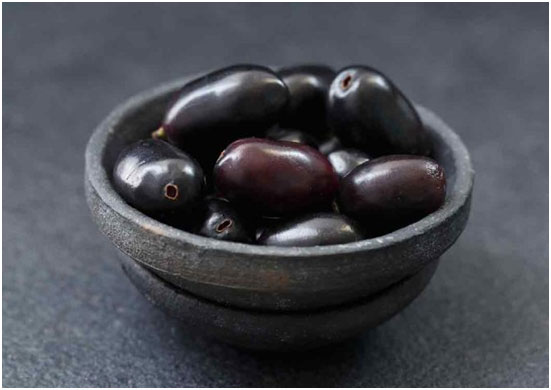
Both berries known to be beneficial for diabetic patients and are predominantly grown in Asia. Goji berry comes from China, while Jamun aka Jamoon, Jambul or the Indian Blackberry has origins in India. Cheaper and easier to source, the Indian Jamun is an all rounder—it relives tiredness, throat pain, controls blood sugar levels and helps build stronger immunity. It contains healthy amounts of calcium, potassium, iron and Vitamin C.
Shatavari v/s Maca Root:
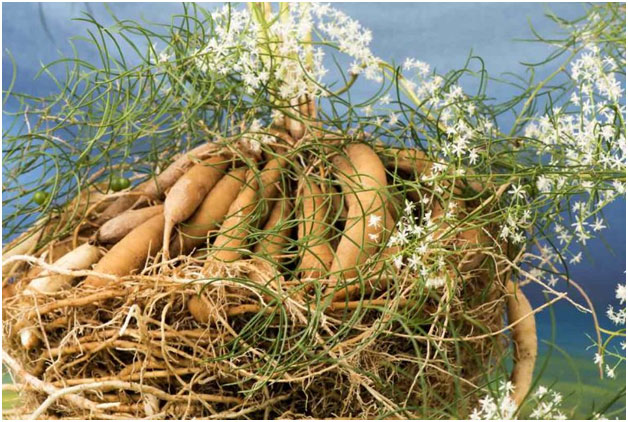
In 2015, the world began to sit up and take notice of Maca root from the Andes. Traditional ayurveda knowledge though, considers Shatavari aka Satavar or Indian Asparagus one of the most powerful rejuvenating herbs. Similar in nature and form, both superfoods have a reputation as a fertility enhancing plant. Research also shows that Shatavri can help with PMS, indigestion, heartburn, UTIs, irritable bowel syndrome and mood swings.
Indian Amla v/s Amazon Acai Berry:
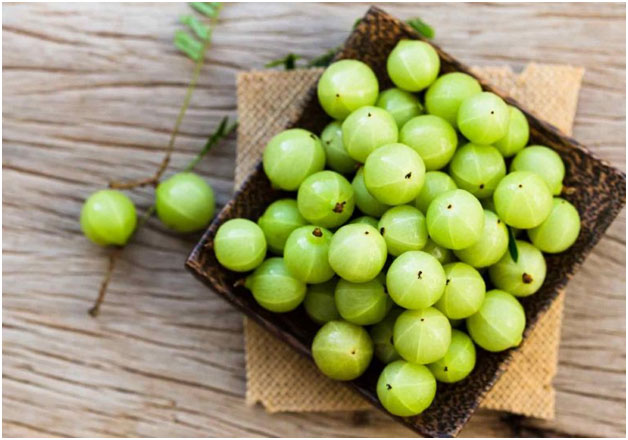
A common childhood memory for most of us is buying gooseberry aka amla or avla off street carts outside school. While acai berry is known for its anti-aging and weight loss properties, amla scores higher. Apart from the above, it also helps keeps our immune system strong, has 20 times more vitamin C and twice the power of antioxidants as compared to its Amazonian counterpart. Chawanprash is a prime example of the wonders of amla –known to improve mental functions, promote eye health and nourish our brains.
Indian moringa v/s Japanese matcha powder:
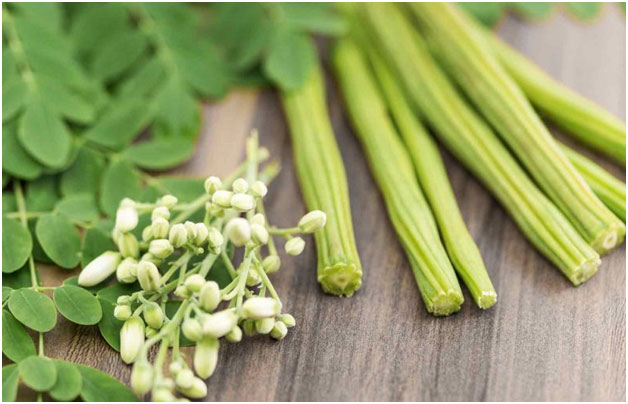
Everyone loves matcha tea—Dominique Ansel, matcha enthusiasts in Brooklyn and Hollywood stars all swear by the premium Japanese export. While it is a great source of carbohydrates, the Indian moringa provides a better nutritional profile when compared to matcha. Moringa has over 10 times more fibre, 30 times more protein and 100 times more calcium than its Japanese cousin. Moringa is as native as it can get. It’s not just a superfood when powdered, but is actually a super tree with nutritional leaves, fruits, flowers and seeds. Do note, the flavour profiles are not the same—moringa has an asparagus aftertaste, while matcha is slightly sweeter.
Indian Amaranth v/s Aztec Quinoa:
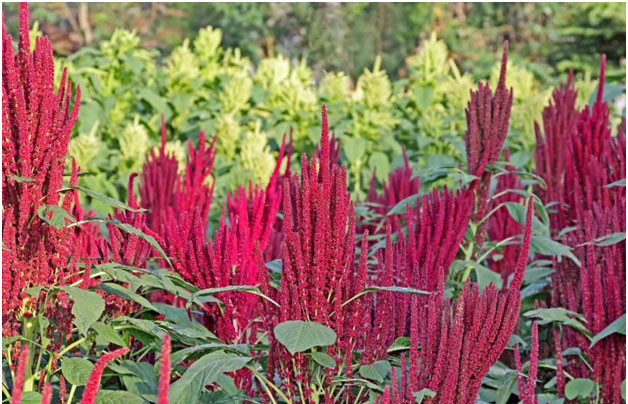
With the gluten-free diet gaining popularity, quinoa was crowned the supergrain of the century. While stories of struggling Bolivian farmers growing the crop flooded the media, Amaranth, a local counterpart to quinoa has been largely ignored. Also known as Rajgira or Ramdana—which loosely translates to food of the Gods—it is considered one of the more important foods of India, as per Ayurveda. Calcium, zinc, iron and fibre—Amaranth scores higher than quinoa on these properties. Plus, it’s so much more pocket friendly.