
New Delhi: While we often think about how to keep various body parts in tip-top condition but many of us give little thought to our oral health past brushing twice a day and flossing. Good oral health is essential to our everyday lives.
Good dental nutrition is essential, and nothing more than a healthy diet is important when it comes to oral health.
What we eat plays a big role in keeping our teeth healthy and Australian dentist Dr Steven Lin has revealed which foods we should be consuming to do so.
Writing on his website, Dr Lin explains that many people who brush and floss regularly still end up with regular dental cavities, whereas those who seem to take worse care of their teeth never seem to have dental problems?
How can that be? Then the answer like that it all comes down to diet.
If you’re consuming enough vitamins and minerals, your teeth will naturally regenerate, staying strong and healthy. But if you’re not feeding your body with the right nutrients, the bacteria and acid in your mouth hinder this natural process, causing your teeth to break down faster than they can regenerate.
It’s not just sugar alone that causes cavities; it’s the lack of nutrients that strengthen teeth.

So what should you be eating? Essentially it all comes down to four fat-soluble vitamins: A, D, K2, and E. Here are good sources of each:
Vitamin A: Beef liver, fish, milk, and eggs.
Vitamin D: Fatty fish, mushrooms and grass-fed dairy products (but sunshine is the best source).
Vitamin K2: Soft cheeses, eggs, butter, liver and salami.
Vitamin E: Spinach, broccoli and nuts.
With a balanced, nutritious diet, you’ll keep your teeth in check, your body in shape and your skin glowing.
Enamel Protection:
The surface of your teeth is called enamel. It helps protect them from decay. Some wear and tear is normal, but there's plenty you can do to keep that barrier strong. Take these simple steps for a healthy mouth and a winning smile.
1. Limit Sugary Foods and Drinks
Bacteria in your mouth feed on sugar from foods and drinks. Then they make acids, which soften and wear away your enamel. Chewy candies that stick on your teeth are can also cause damage. Soft drinks may have extra acids.
Soft drinks with artificial sweeteners are a smarter choice than ones with sugar, but they're also acidic and will wear down enamel over time.
2. Eat Foods That Protect Enamel
Calcium in food counters acids in your mouth that cause decay. It also helps keep your bones and teeth strong.
Milk, cheese, and other dairy products help protect and strengthen enamel. Choose low-fat or fat-free items to help keep calories down.
3. Avoid Over-Brushing
You can wear down your enamel if you brush too fast and hard. Hold a brush with a soft bristle at about a 45-degree angle to your gums. Then move it back and forth in short, gentle strokes, about the distance of one tooth.
Wait for up to an hour after eating sweets or citrus fruits before you brush your teeth. Acidic foods can soften enamel and may make it easier for you to damage it.
5. Treat Heartburn and Eating Disorders
If you have severe heartburn, stomach acids may escape and eventually reach your mouth, where they can erode enamel.
The eating disorder bulimia, in which people vomit food after they eat, is another threat to your enamel.
If you have either condition, talk to your doctor about treatment.
6. Beware of Chlorinated Pools
When swimming pools aren't chlorinated properly, the water may become too acidic. When that happens, the water can damage teeth that get wet.
Check with the recreation center or gym where you swim to make sure the pool's chlorine levels are checked regularly. While swimming, keep your mouth closed so your teeth don’t get wet.
7. Watch Out for Dry Mouth
Saliva helps wash away food and bacteria that can lead to cavities. It also fights the effects of acidic foods. Drink water often to keep your mouth clean and moist.
8. Avoid Grinding Your Teeth
Some people grind their upper and lower teeth together, especially at night. Over time it can wear down the enamel.
Gum Care:
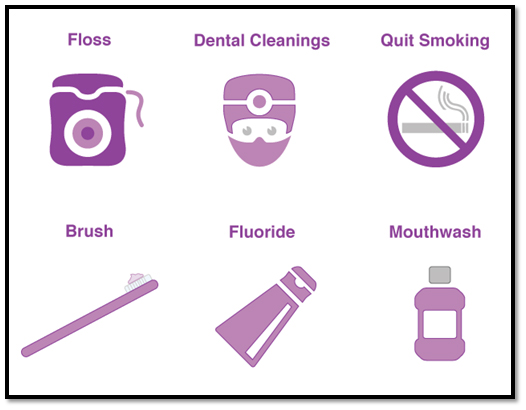
1. Floss.
Floss at least once a day. This helps remove the plaque and food that is beyond your toothbrush’s reach. It doesn’t matter when you floss: Do it at night, do it in the morning, or do it after lunch...just do it!
2. Get regular dental cleanings.
Your dentist can detect early gum disease symptoms if you see them on a regular basis. That way they can be treated before they become more serious. A professional cleaning is the only way to remove tartar, and it can also get rid of any plaque you missed when brushing or flossing. If you have gingivitis, brushing, flossing, and regular dental cleanings can help reverse it.
3. Quit smoking.
Yet another reason for smokers to quit: Smoking is strongly associated with the onset of gum disease. Since smoking weakens your immune system, it also makes it harder to fight off a gum infection. Plus, smoking makes it more difficult for your gums to heal once they’ve been damaged.
4. Brush twice a day.
Brush your teeth after every meal. This helps remove the food and plaque trapped between your teeth and gums. Scrub your tongue too, since it can harbor bacteria. Your toothbrush should be soft-bristled and fit in your mouth comfortably. Swap toothbrushes or toothbrush heads every three to four months (or sooner if the bristles start to fray).
5. Use fluoride toothpaste.
As for toothpaste, store shelves are lined with brands that claim to reduce gingivitis, freshen breath, and whiten teeth. How do you know which one is best for healthy gums? Make sure to choose toothpaste that contains fluoride. After that, the flavor and color is up to you!
6. Use a therapeutic mouthwash.
Usually available over the counter, therapeutic mouthwashes can help reduce plaque, prevent or reduce gingivitis, reduce the speed that tarter develops, or a combination of these benefits. Plus: A rinse helps remove food particles and debris from your mouth, though it’s not a substitute for flossing or brushing. Look for the ADA seal, which means it has been deemed effective and safe.
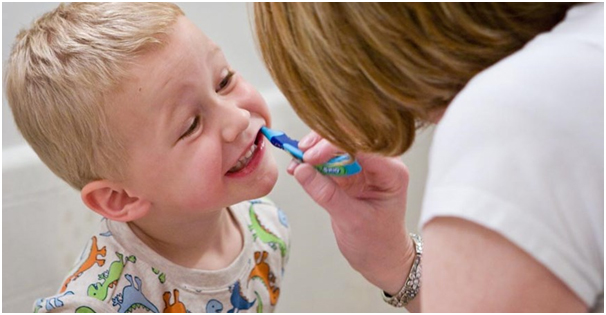
Children are particularly vulnerable to tooth decay; parents should:
1. Provide a good diet throughout childhood
2. Brush children’s teeth until they’re mature enough to do a thorough job by themselves (usually by 6 or 7 years old)
3. Supervise twice-daily brushing and flossing thereafter
4. Never put babies or toddlers to bed accompanied by a bottle of milk (which contains the natural sugar lactose), juice, or other sweet drink.