
New Delhi: If you’re looking to learn how to study more efficiently or improve your mental alertness in order to achieve better grades and for that you may have tried all kinds of different study techniques but did you know that simply choosing foods that fuel the brain can have a significant effect on your academic performance?
Food is the fuel that has the incredible ability to affect your mental clarity, mood, memory, and ability to focus. And it’s true—eating certain foods can improve your ability to focus, retain information, and remain mentally alert in order to get you through the most gruelling of study sessions. Certain foods are particularly high in the nutrients needed to create, protect, and repair brain cells.
Just as you shouldn’t put olive oil into your car to make it run, you shouldn’t put chocolate syrup into your body to make you run. So, if you’re looking to boost your focus, then below are 7 foods that will help you improve your focus.
They also supply the building blocks of neurotransmitters — brain chemicals that control how well you learn and remember how happy and motivated you are, and how well you can relax and enjoy life. We call them brain foods that supercharge Memory, Focus & Mood:
1. Blueberries- Antioxidant Powerhouses
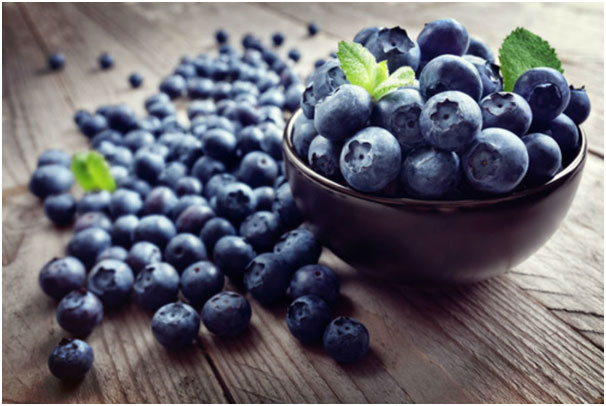
All fruits are loaded with vitamins, fiber, and phytonutrients, but berries are in a class of their own.
Berries of all kinds — blueberries, strawberries, raspberries and blackberries — usually make it to the top of any brain foods list.
They are bursting with flavonoids, a group of potent antioxidants that protect brain cells from oxidative damage.
Studies show that blueberries boost “concentration and memory” for up to five hours because the antioxidants in blueberries stimulate the flow of blood and oxygen to brain – and keep the mind fresh.
Blueberries also contain a cocktail of anti-oxidants including anthocyanins, proanthocyanidins, resveratrol and tannins. They have been shown to boost focus, and even protect against cancer, heart disease, and dimensia. Even, they can improve numerous cognitive skills including memory, learning, and decision making. They may also prevent age-related mental decline and protect against Alzheimer’s disease.
2. Green Tea- Improves alertness

Green tea helps you focus for two reasons: one, it contains caffeine, and two, it contains l’theanine. It’s an ingredient that’s been shown to “increase alpha-wave activity”, which increases tranquility and releases caffeine more slowly, instead of all at once, which can lead to you crashing.
And there is no doubt that caffeine helps you focus and improves your alertness.
These two ingredients also combine to “produce a better ability to focus attention, with improvement of both speed and accuracy”. If you’re able to handle the caffeine content, introducing green tea into your diet is pretty much a no-brainer.
3. Kale- A Nutrition Bomb
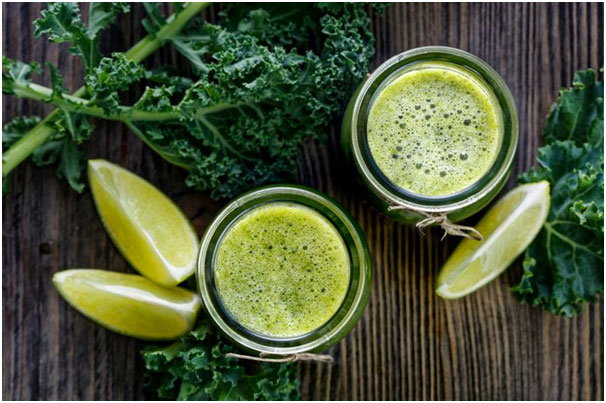
These superfoods contain powerful antioxidants that can protect your brain from toxic free radicals. Even if you don’t love kale, there are compelling reasons to eat it anyway.
Kale is a nutrition bomb, one of the most nutrient-dense vegetables in the world. It’s extremely high in brain-protecting antioxidants including beta carotene, flavonoids, and polyphenols.
Kale is a first-rate source of B vitamins, especially folate which is key for brain development. The B vitamins, often called the “anti-stress vitamins,” can halt memory loss, ward off brain aging, banish depression, and even help you live longer.
As well as Kale is one of the best sources of vitamin K, a vitamin essential for verbal memory. Kale is also a good source of the amino acid tyrosine, the precursor to the neurotransmitters dopamine and norepinephrine which are associated with alertness, drive, and motivation.
Lastly, kale is a good source of magnesium, a mineral that most people don’t get enough of. Magnesium may be protective against type 2 diabetes and heart disease, two diseases that take a toll on brain function.
4. Dark Chocolate- For Sheer Bliss
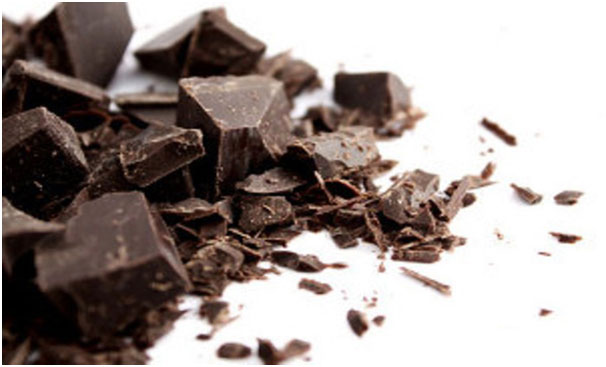
After kale and sea vegetables, you’re probably relieved to see a food you actually love on our brain food list!
Chocolate is one of the world’s favourite foods and is that food which people crave for. There are over 300 known chemical compounds in chocolate.
Chocolate is a great source of tryptophan, the amino acid precursor of serotonin. It’s also an appreciable source of the anti-stress mineral magnesium.They are one of the few dietary sources of anandamide, a naturally occurring neurotransmitter called the “bliss molecule.”
Not all chocolate is created equal; in fact, dark chocolate can actually be good for you! Chocolate is chockfull of flavonols, which have antioxidant and anti-inflammatory properties. They can also help lower blood pressure and improve blood flow to both the brain and heart.
Chocolate even can help seniors with short-term memory loss and prevent mental decline.
Skip milk and white chocolates and opt for a minimally processed dark chocolate with at least 70 percent of cocoa. This ensures you’ll get your choco fix and its brain benefits.
5. Avocados- Possibly the Most Perfect Food
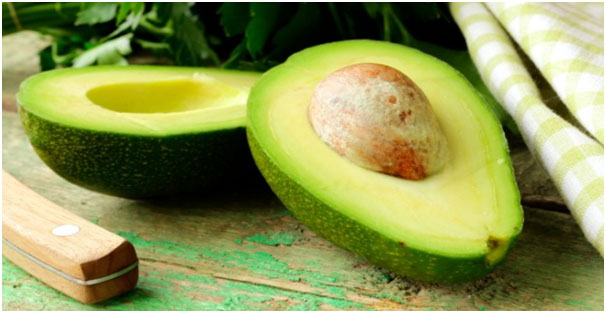
Avocados are almost as good as blueberries in promoting brain health. These buttery fruits are rich in monounsaturated fat, which contributes to healthy blood flow in the brain.
They may also help lower blood pressure, which can reduce your risks for hypertension or a stroke that could permanently damage brain tissue. Containing both vitamin K and folate, avocados help prevent blood clots in the brain (protecting against stroke) as well as help improve cognitive function, especially both memory and concentration.
They’re also rich in vitamin B and vitamin C, which aren’t stored in your body and need to be replenished daily. Plus, they have the highest protein and lowest sugar content of any fruit. Avocados’ creamy texture makes them a smart addition to smoothies and a replacement for fats in baked goods.
6. Fatty Fish- For Brain-Essential Omega-3s
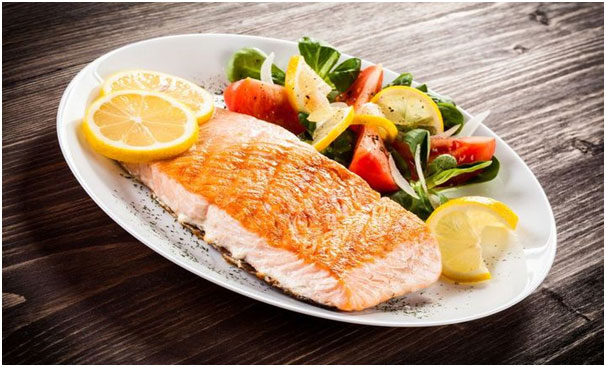
Your brain loves omega-3 fatty acids, which are thought to play an important role in cognitive function. According to the New York Times describing research in the journal Neurology, low levels of these unsaturated fats in the blood are linked with smaller brain volume and worse performance on certain tests of mental function. Omega-3s, which are found in salmon and other cold-water fish, may also bolster the brainpower of younger adults.
According to University of Pittsburgh research published last year, adults under age 25 who increased their omega-3 intake over six months improved their scores on tests measuring working memory.
7. Eggs- For Memory and Learning

Eggs are packed with protein, vitamin B12, and can be a significant source of omega-3 fatty acids.
Eggs are high in tryptophan, an amino acid that’s a building block of the “happiness” molecule (and neurotransmitter) serotonin.
Whole eggs are the number one food source of choline, and when you eat eggs, your brain uses choline to make acetylcholine, a neurotransmitter that may be important for maintaining memory and communication among brain cells. Boston University researchers tracked the eating habits of nearly 1,400 healthy adults for 10 years and found that choline intake correlated positively with better performance on certain types of memory tests.
At last to conclude one can say that every bite of food you eat is a choice that either depletes or nourishes your brain.
The wrong foods — like sugar and trans fats — can leave you feeling mentally foggy, anxious, and depressed, while the right foods can help make you mentally sharp, positive, and productive.
So, adding these foods to your diet is a simple and effective way to supercharge your study sessions in your effort to get better grades because with the help of these brain foods you'll feel more energized, alert, and focused just in time for exam season. But don’t stop there. Eating a balanced diet, staying hydrated and paying attention to your overall nutrition is a great way to complement your study habits. By eating right, you’ll be more likely to remain alert, focused, and energized while you study. So, if you really want to know how to study properly and retain more information than ever before, start feeding your body and your brain the foods they crave.
Ends
References:
https://draxe.com
https://www.rd.com
https://bebrainfit.com